



Right at Home Austin
Homelessness prevention partnership
Austin/Travis County received a planning grant to build a community-wide homelessness prevention system as part of the Right at Home: National Homelessness Prevention Partnership. This initiative seeks to substantially reduce the number of individuals and families losing their homes, while laying the groundwork for a federal homelessness prevention strategy.
Note: Funds are not yet available for this program. ECHO will notify the community when implementation begins and funds are made available.

Overview
-
Purpose
Right at Home Austin (RAHA) is a community-driven initiative dedicated to preventing homelessness by focusing on early intervention and ensuring equitable access to resources. Our vision is to keep Austin residents stably housed by addressing housing instability before it escalates into a crisis. By building strong partnerships and centering community voices, RAHA aims to create a sustainable model to prevent homelessness and help families thrive.
-
Meet the Program Manager
 Ashleigh Hamilton is a nonprofit leader with over a decade of experience building equity-centered programs that support individuals, families, and communities. Her career began in the fields of maternal health and social justice, where she worked to improve outcomes for Black and Brown women and challenge systems that have historically caused harm. That foundation continues to guide her approach today.
 As Program Manager for Right at Home Austin, Ashleigh leads the development of a community-driven homelessness prevention model that centers lived experience, shared power, and long-term stability. Her work is rooted in the belief that sustainable solutions start with those most impacted, and that dignity and housing are deeply interconnected.
A proud East Austin native, Ashleigh brings not only professional experience but a deep personal connection to the communities most affected by housing instability. She is also a mother, an advocate, and a firm believer that care work is systems work. In every space she enters, Ashleigh leads with curiosity, integrity, and the intention to build something lasting; with and for the people.
-
Timeline
Note: This timeline is subject to change.
-
Current Phase & Next Steps
As we continue to build our coalition, we’re moving toward Planning & Design. That means we’re actively working on refining the RAHA program framework.
Up next, we’ll be hosting a two-day convening for organizations with experience administering emergency assistance (for example, homelessness or eviction prevention) and system-level partners. The purpose is for these organizations to share and learn about different approaches and models, barriers to service delivery implementation, and overall lessons learned. It is our hope that this convening will be a space that helps inform operational aspects of RAHA, as well as a space to connect providers currently doing similar work to learn from each other. A “Save the Date” will be sent to the organizations we are aware of that provide this assistance. We’ll share more details as they become available.
Community Engagement – Rooted Voices Series
In addition to our work with providers and systems partners, we’re also preparing to launch a community engagement series that will spotlight lived experience and grassroots insight. This phase will include recurring forums designed to elevate community wisdom, deepen shared understanding of what prevention means, and help shape the RAHA strategy moving forward.More details on how to participate will be shared soon.
More Information: Right at Home National Partnership
Community voice is not a checkbox for Right at Home Austin; it’s a core value and guiding force.
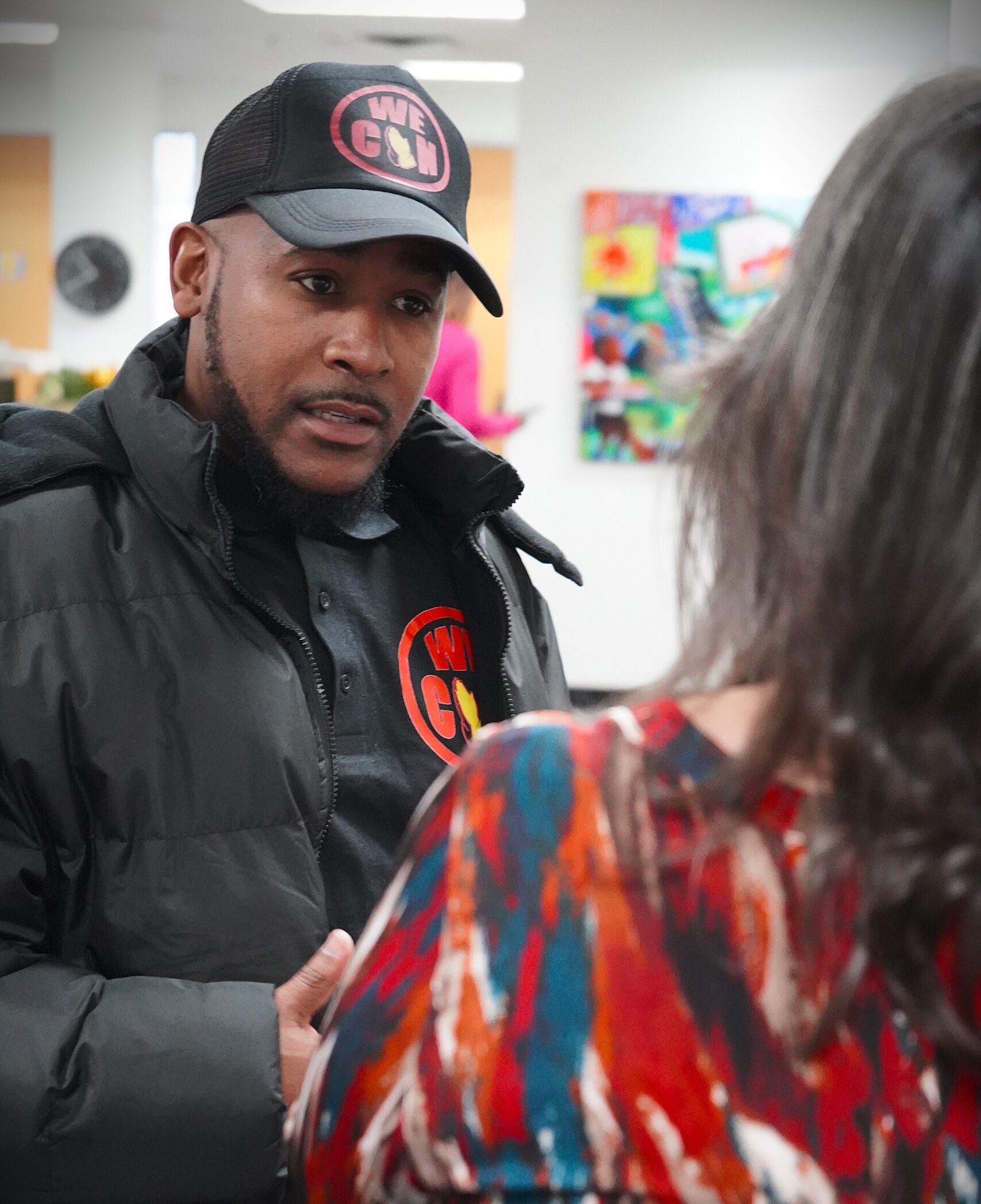
We believe that sustainable solutions to housing instability must be rooted in the lived experience, cultural knowledge, and leadership of the people and neighborhoods most impacted. Our planning process is intentionally designed to create space for shared leadership, where community members, service providers, and public sector partners come together to shape this initiative from the ground up.
Rather than relying solely on traditional models of engagement, we are expanding the table; making room for voices that are often closest to the issue and furthest from the decision-making process. This is about building with the community, not just for it. Our commitment is to co-create a prevention model that reflects the realities, values, and strengths of Austin’s diverse communities. Below are the ways we’re inviting participation throughout the planning process.
Get Involved
We welcome participation throughout the planning process. Whether you’re a provider, community member, organizer, or individual with lived experience, there are opportunities to join upcoming convenings; participate in workgroups; and share insight, data, or lived experience that can inform program design.
Have a question not answered here? Email rightathome@austinecho.org to get connected to our team.
-
Ways to Get Involved
Provider & Systems Partner Convening (Fall 2025) | More details and invitations will be shared soon.
We are hosting a two-day convening for providers and systems-level partners to:
- Map existing prevention efforts
- Identify barriers, strengths, and gaps
- Share models, tools, and learnings
- Begin aligning on service coordination and funding approaches
Community Convenings (Late 2025) | These spaces will prioritize the voices of directly impacted communities, families, youth, and individuals navigating overlapping systems.
We will hold a series of community-focused gatherings to:
- Listen to experiences of housing instability and displacement
- Elevate community definitions of success
- Inform who and what RAHA prioritizes in design and evaluation
Workgroups & Planning Circles | These groups will meet regularly throughout the planning phase. Compensation will be prioritized for community members with lived expertise.
We will establish focused workgroups to co-design specific parts of the program, including:
- Evaluation and outcomes
- HMIS + Coordinated Entry integration
- Policy alignment and eligibility
- Long-term sustainability strategy
Lived Expertise Advisory Engagement | This work will be ongoing and embedded into every level of decision-making.
We are working closely with existing lived experience groups, including the Austin Youth Collective and Austin Homeless Advisory Council, to ensure people with direct system experience are guiding the design, evaluation, and language of RAHA.
Planning Updates
Check back here (austinecho.org/rightathome) for the latest updates on RAHA’s progress, upcoming events, and new opportunities to get involved.